

Working at Apple and Changing the World

A ChatGPT-generated picture, not really me when I was at Apple.
This isn’t my usual kind of article, but I thought it was interesting. At least to me. I’ll know by the number of unsubscribes if it’s interesting to others, too.
This week, I went to the 50th anniversary of Apple Computer at the Computer History Museum in Mountain View, California. It was great and brought back memories. The crowd overflowed the auditorium. I had worked at Apple when it was on its way to bankruptcy in the late nineties. That was when Steve Jobs came back, but I didn’t think he had the discipline to fix a sinking ship on its way to the bottom.
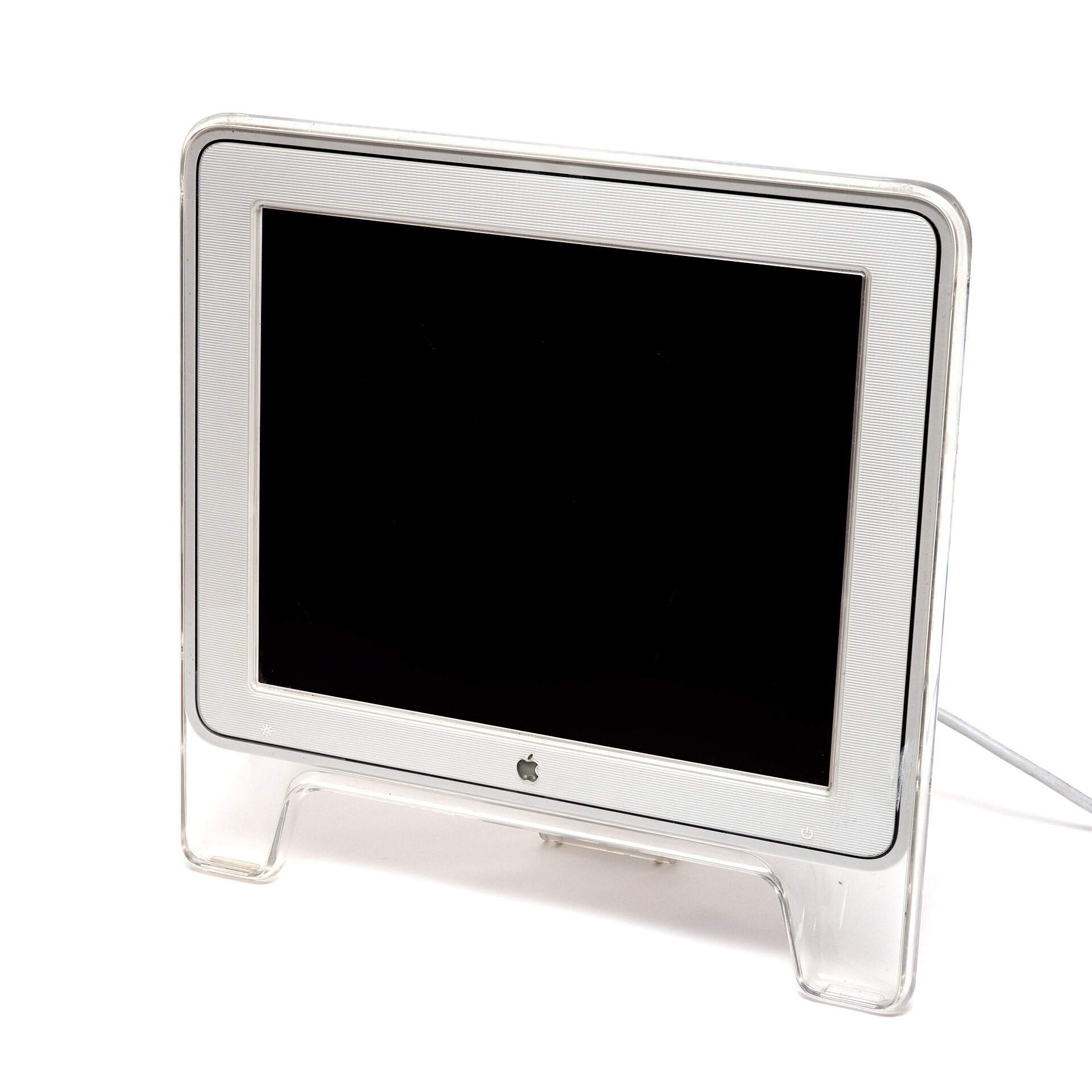
The original Apple Studio Display c. 1998.
At the pre-event party, someone asked me what I had worked on at Apple. I told him I had written the firmware code for the Apple Studio Display, Apple’s first flat panel display. The hardware was so buggy that I also debugged the hardware to get it to run my code. Quality control was really lacking at Apple in those days. Any decent engineer wanted to be working at an Internet company, not some old hardware company.
This person put out his hand. “I want to thank you,” he said. Surprised, I shook his hand. “That display was shipped with color adjusting controls built in. I’m color deprived, and that display changed my life. Thank you!”
After the event was a book signing by David Pogue, author of Apple: The First 50 Years. In line to get it signed, I was telling stories of my time at Apple. Avie Tevanian told the audience about how he ran the only Windows PC at Apple, but I was actually earlier. I used a PC running custom code to test the Studio Display. We had to throw a sheet over it when Jobs came to look at a demo. What was originally a side project caught his attention, and he boosted its priority and made it a part of his new iMac line.
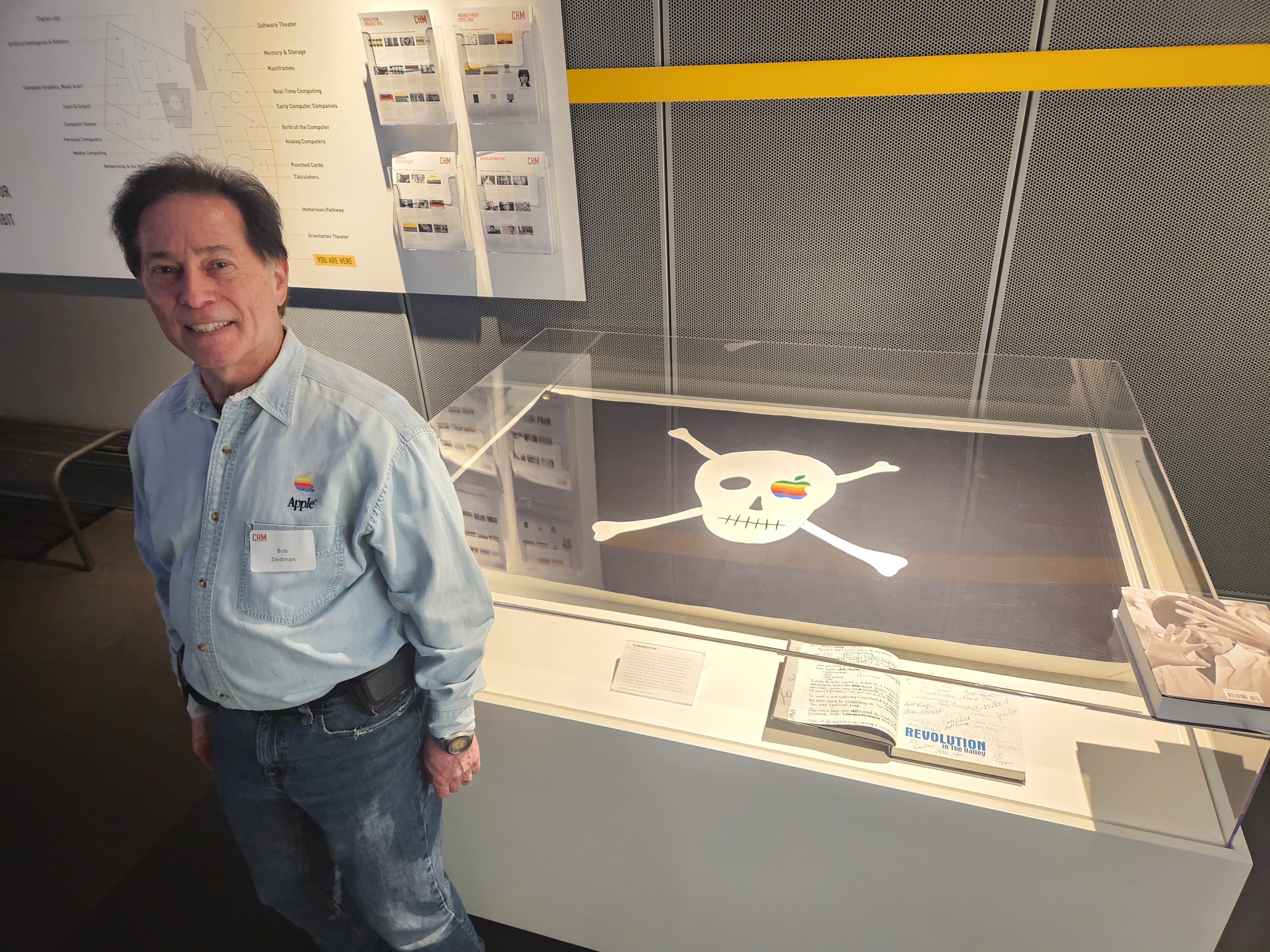
Me and the original Mac pirate flag that flew over my office complex, some years earlier.
I met a young man from Australia who had just moved to his lifelong dream location, Silicon Valley. I told him how I had come here with the same dream, met some of my heroes in the computer industry, even got to work with some of them, built a couple successful companies (and a lot more unsuccessful ones), and then moved to Las Vegas. I’d had an office in Cupertino and learned only before I moved that my office was in the same small complex as the Macintosh team’s “secret” facility with the pirate flag flying overhead.
I talked about how a year or two earlier, I was at an event at the museum and ran into Dan’l Lewin and Chris Espinosa. We traded stories about Apple, and afterwards Dan’l said, “It’s fun reminiscing with Apple old timers.” I had become an Apple old timer!
Hearing my stories, some people asked me to sign their books.
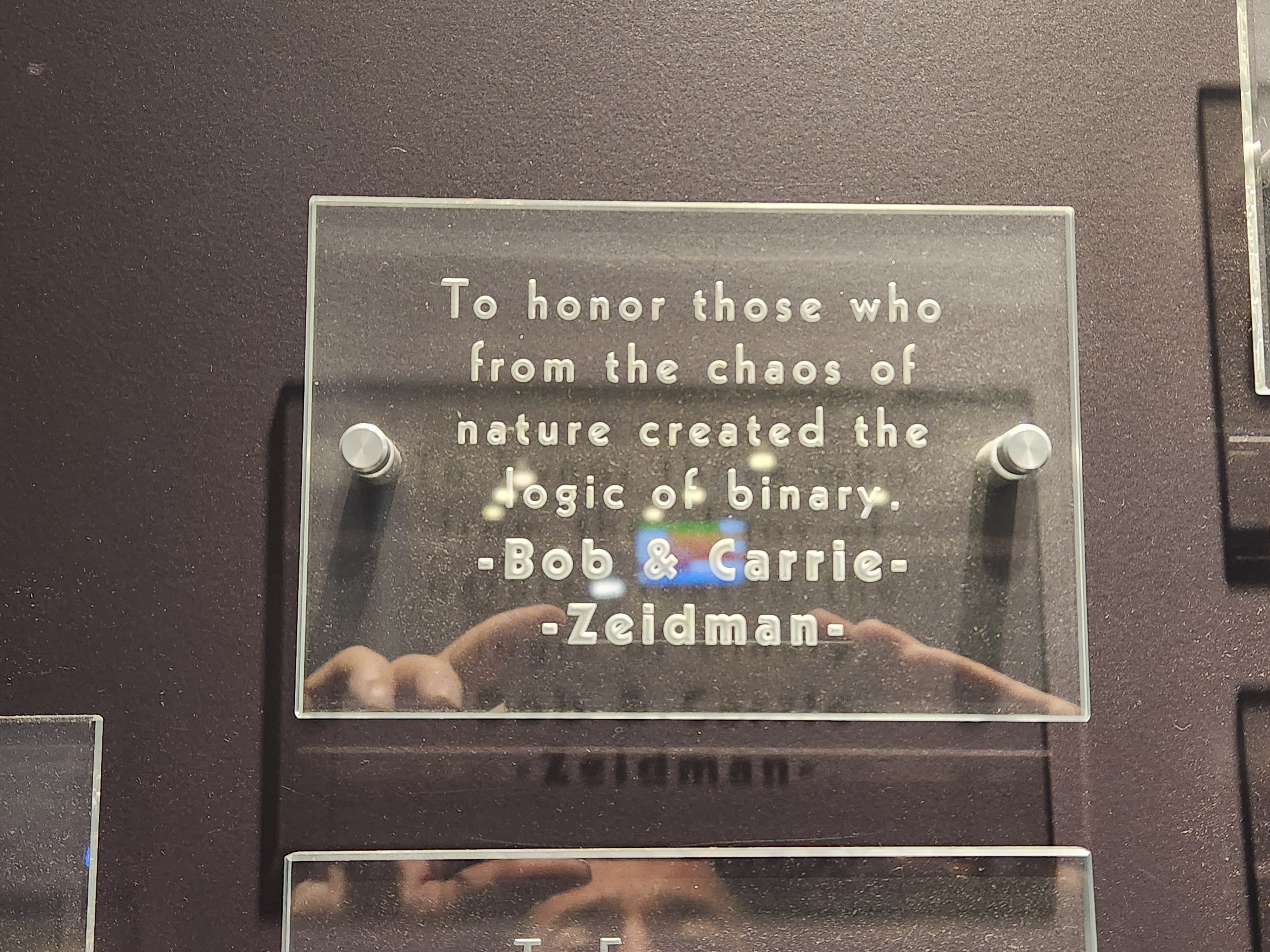
Carrie and my plaque from the opening of the Computer History Museum.
I too often forget how fortunate I’ve been to be in the right places at the right times once in a while. I haven’t changed the world as I’d always hoped, but I guess I’ve made a difference once in a while.
About the author
Bob Zeidman is the creator of the field of software forensics and the founder of several successful high-tech Silicon Valley firms including Zeidman Consulting and Software Analysis and Forensic Engineering. He is the author of textbooks on engineering and intellectual property as well as award-winning screenplays and novels. His latest book is Election Hacks, the true story of how he challenged his own beliefs about voting machine hacking in the 2020 presidential election and made international news.
Bob, I loved hearing about your time at Apple. I joined in 1990 and left in 1997 just prior to Steve’s return. I truly believed that the beauty of Apple computer was the OS and I truly felt that if we could get it in front of more people it would dominate. So I left worldwide operations and accepted a position in the licensing group to work on CHRP, the common hardware referencing platform, which was an Apple IBM and Motorola alliance to enable major PC manufacturers to bring a multi booting system to market. We had a huge pavilion at Comdex and won best in show that year. With Steve coming back, naturally licensing was the very first to go. I received an offer to go back into worldwide ops but politely declined , deciding it was time to move along. I did love my days at Apple and I even still have my Newton! 🤣